

If you are looking for your next property maintenance app, there is one word you need to know: backlog. Some backlog is normal in your property maintenance app. But many managers only count how many tickets are open. That can be deceptive. Research from different industries shows the real danger is how old backlog items are, and what type they are.
Here is what a bad backlog really does:
- It hides deferred maintenance. Small leaks, faulty wiring, broken locks. All of that erodes asset quality over time.
- It makes tenants feel ignored. When minor problems stay unresolved for weeks, people assume the owner does not care. That feeling weighs more than any quick emergency fix.
- It raises the risk of bigger failures later. Small leaks become structural damp; faulty lift control becomes a safety hazard.
- It drives up reactive costs, partly because broken systems degrade faster if not maintained and reactive fixes cost more than planned ones.
Industry guidelines suggest a healthy backlog represents about two to four weeks of work per technician. But many portfolios let backlog stretch far longer, often months. Especially when they rely on reactive maintenance and manual intake. That is a silent drain.
Good backlog management means:
- Sorting tasks by urgency and type (safety, comfort, cosmetic)
- Tracking age buckets (0–3 days, 4–7, 8–14, 15+ etc)
- Monitoring backlog per building and per unit, not just aggregated
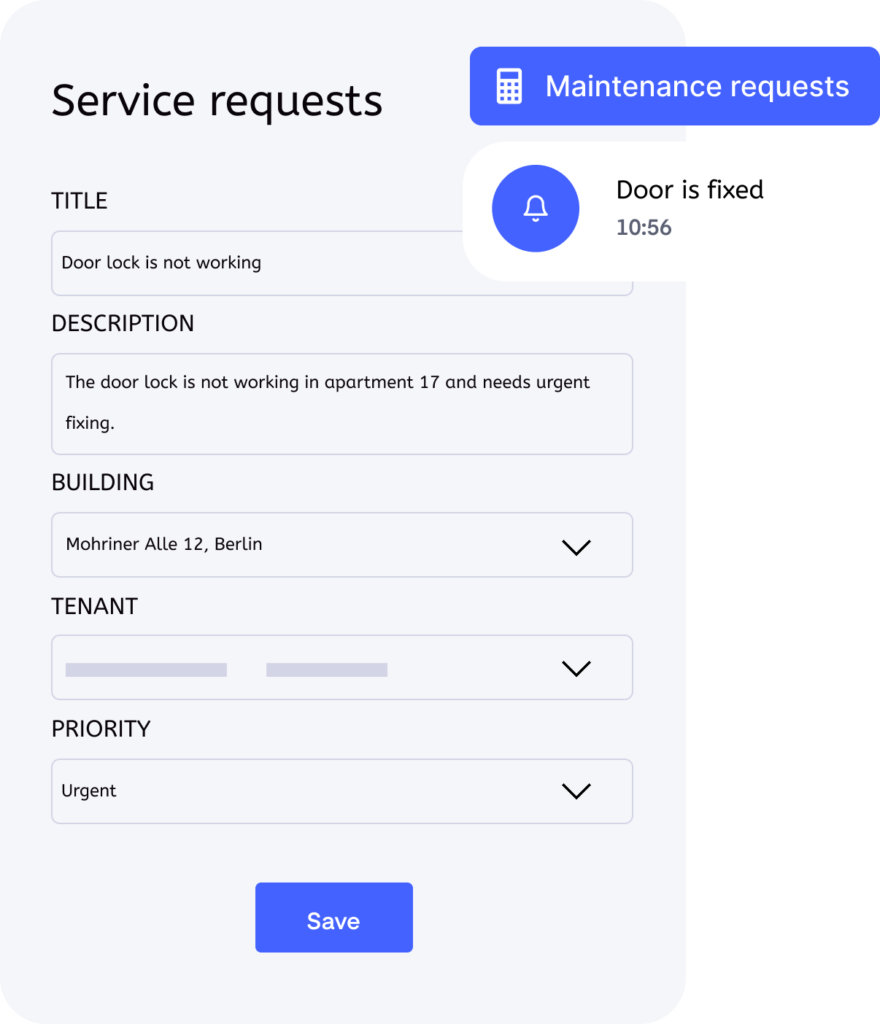
A property management app like Bidrento can help. Bidrento tracks work-order age, type, status. As a result, your managers instantly see which buildings lag. They see tasks that become stale. They can push tasks, re-prioritise, or decide to upgrade instead of patching.
With that clarity, you protect building value, preserve comfort, and avoid the slow decline that tenants notice - even if reports stay buried.
Book a free demo of Bidrento and see a dramatically better property maintenance app in action.

Smarter property maintenance strategy
Few firms actually model the cost impact of different methods of maintaining their property portfolio. Many companies say they prefer preventive maintenance over reactive.
Actual data from property maintenance firms show properties that adopt mixed strategies (combining preventive, reactive, and condition-based property maintenance) often see 15–25% lower maintenance costs and 20–30% fewer emergency calls compared to reactive-only buildings.
Different property maintenance strategies
- Preventive maintenance is planned work done at regular times. Teams do small tasks before things break. This keeps systems steady but can lead to extra work if the schedule does not match real need.
- Reactive maintenance is work done after something breaks. It feels simple but often costs more. Breakdowns create stress, emergency fees, and unhappy tenants.
These styles work best together. A mixed plan lowers risk, cuts noise, and keeps buildings calm.
But there is a trap. Over-scheduled preventive maintenance brings cost and waste too. Scheduled tasks happen even if systems are fine. Parts are replaced earlier than needed. Labour hours get used up with no real gain.
Condition-based property maintenance
Recent research suggests smart property managers should shift toward condition-based or predictive triggers. They use sensor data, usage logs, or simple age/history flags to trigger maintenance only when needed. That balances cost and risk. a more precise, lean approach that avoids waste and avoids emergencies
This strategy helps you save money and time. But it also keeps your buildings and their systems healthy. You avoid expensive emergency repairs. You prevent premature replacements and you keep your tenants happy.
In large portfolios this kind of math adds up fast. The savings in reactive calls, overtime labour, and materials often pay for the slightly higher management overhead. Especially when you have software like Bidrento tracking everything that matters.
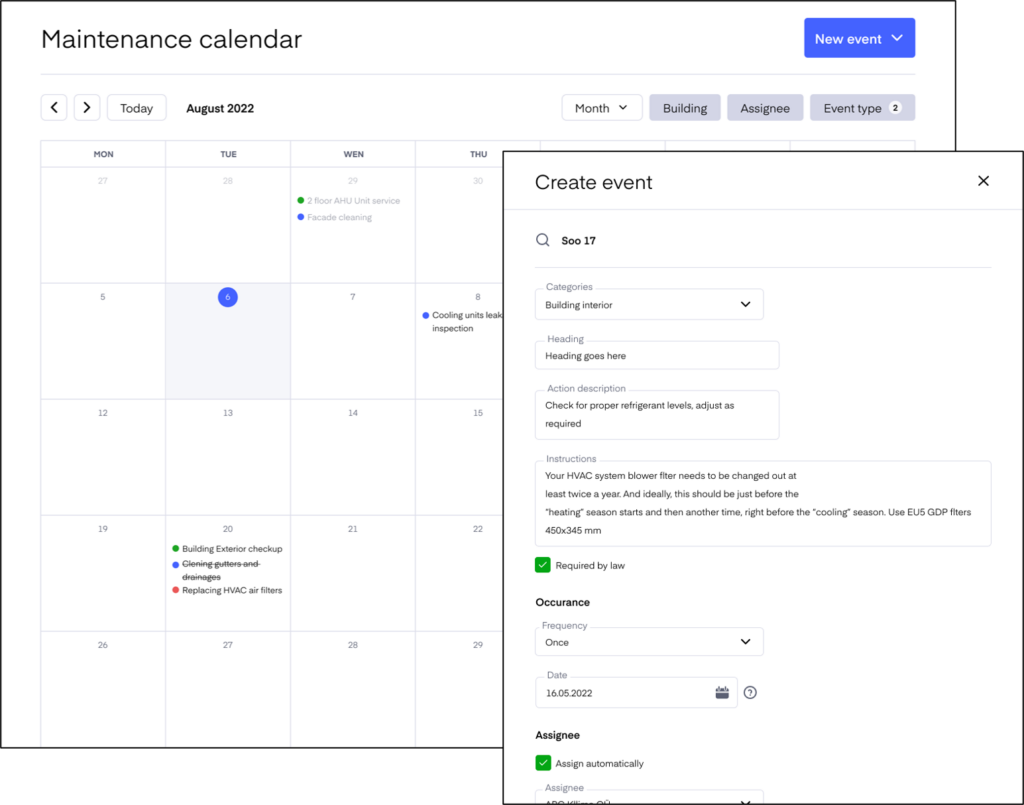
With Bidrento you get a great-looking maintenance calendar. But more importantly, you can build a maintenance programme that does not blindly follow that calendar. You can track history, usage, and unit-specific data (like utility use, wear, and tenant age). Then, you only act when the time is right. That makes Bidrento property maintenance app a tool that lowers cost while guarding comfort and safety.
Property maintenance app
If you manage buildings at scale, the way you use your property maintenance app should feel effortless. The daily workflow should give clarity. It lifts trust. It frees up time. It turns maintenance from a cost centre into a growth tool.
Whether you manage apartments, offices, hotels or mixed use, you do not just want to see tickets closed. You want happy tenants, buildings holding their value, costs staying low, and your income rising.
A property maintenance app like Bidrento can help you get there. Combine that with a smart maintenance strategy and you have a quiet advantage no one sees. That is, until they look at your renewal rates, your tenant reviews, and your net income.
Property Maintenance Methods: A Comparison
| Topic | Old Way | Modern Best Practice | How Bidrento Helps |
| Service Requests | Random emails and calls. No context. | Clear digital intake with photos and structured fields. | Tenant app and portal with clean intake, history, and uploads. |
| Churn Signals | Only look at renewals at the end of leases. | Track language patterns and repeated issues. | Full ticket history tied to each unit and tenant. |
| Emotional Response | Focus only on “ticket closed”. | Short feedback after each repair. | Built in communication, updates, and tone tracking. |
| Technician Turnover | High stress, messy notes, rushed jobs. | Stable teams, clean systems, proper load. | Clear job info, parts, notes, and reduced repeat visits. |
| Work Order Intake | Vague descriptions and missed details. | Diagnostic questions, required photos, priority logic. | Smart request fields and structured intake. |
| Backlog Management | Count the number of open tickets only. | Track age, type, and building patterns. | Full backlog view, stale ticket alerts, building reports. |
| Maintenance Strategy | Only reactive or over-scheduled preventive. | Mix of reactive, preventive, and predictive. | History-based task planning and condition-based logic. |
| Tenant Self-Service | No guides, no tools, high small-ticket load. | Simple “how-to” guides for optional fixes. | Knowledge base and optional self-guided steps. |
| Vendor Oversight | Pay invoices and hope for the best. | Scorecards with FTF rate, cost accuracy, and response time. | Vendor tracking, logs, and cost history in one place. |
| Turnover Season | Last-minute panic and overtime costs. | Forecast load and plan resources early. | Insights from past seasons to predict workload. |
| Investor Reporting | Only rent rolls and CapEx lines. | Maintenance data tied to asset value. | Clean reports, logs, cost tracking, and utility history. |
| Utility Costs | Manual meter checks and slow billing. | Automated readings, clear tenant splits. | Built-in utility cost calculation and e invoicing. |
| Billing and Payments | Scattered invoices and manual chasing. | Unified invoicing tied to leases and repairs. | E invoicing, reminders, and automated cost links. |
| Portfolio Scale | Separate tools and spreadsheets. | One system with shared data and controls. | Full platform for mixed-use residential, commercial, and hospitality. |