


Most people see a leaking tap or a broken light as a small thing. Tenants often do not. For many tenants, that ticket is the moment where they decide if they feel cared for or ignored. Without a great workflow and good property maintenance software you cannot tell when a “small” service request is really a warning light.
Service requests can be hidden churn signals. Recent research in rental housing shows how sharp these signals can be. One study shared that about 46% of residents name good maintenance as a key reason they renew, while 31% say they leave because of bad maintenance.
Another study on commercial buildings found that overall tenant happiness tracks very closely with how owners handle repairs and building services. When tenants feel heard and see quick, clear action, they stay longer and speak well of you as the service provider.
Why your property maintenance software helps with renewals
A service request is not just a task. Each request influences a soft yes or no for the next renewal. Therefore, you may want to treat each ticket as a sign. Some signs are weaker. Some louder.
Here are four signs a service request is a “risk ticket”:
- It comes after a long silence, then a burst of complaints.
- It repeats the same issue that was “fixed” before.
- It includes words that show lost trust, like “again”, “still broken”, “nobody called me back”.
- It is about comfort and safety, not only looks. Think heating, water, lifts, doors, leaks.
For professional rental property portfolios, these patterns sit inside your data. Software like Bidrento can help you use that data to your advantage. When your team can link maintenance tasks with lease data, they can see which tickets came just before a non-renewal or a hard negotiation on price.
A loose handle from a happy long-term tenant may wait a few days. A heating issue from a tenant who has had three bad tickets in the last year calls for a same-day visit, a follow-up call, and a small gesture of care.
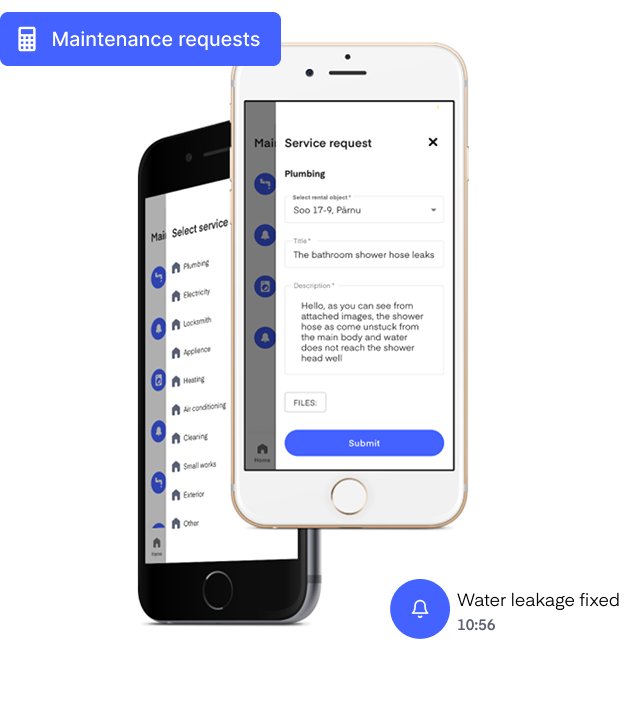
Bidrento's tenant app connects your maintenance tasks with your tenant communication. With a clear service request history for each tenant, each unit, and each building. That history makes it far easier to spot when a “small” ticket carries a big risk, long before the lease end date.
The hidden signal inside every service request
Some repairs look fine on paper. The job was done in two hours. The parts were cheap. Your old-school system shows "completed". But the tenant still feels tense or unheard. That feeling sits inside the building far longer than the repair itself.
Across residential and commercial portfolios, researchers now point to one quiet pattern. The experience of the tenant app and the tone of the repair visit often predict renewal better than the speed of the repair. A polite tech, a clean entry, a simple update, and a short follow-up message create more trust than shaving a few hours off a response time.
This is not soft talk. It shows up in the data. When firms track short feedback surveys for each work order, they often see:
- A tiny drop in satisfaction after rough or unclear visits
- A rise in grievances after rushed repairs
- A clear link between warm service visits and longer stays
The surprising part is how low the bar is. A tech who knocks properly, introduces themselves, uses shoe covers, and says “I fixed this and I will check in later” often lifts satisfaction more than any big policy. Add to that an effortless tenant app, and you have the right magic mix to increase your renewal rate and cash flow at a time when other operators struggle.
Large UK property managers have noticed this too. Detailed records show that tenants who feel respected during small repairs rate their buildings far higher at the contract renewal stage.
Operators of hospitality portfolios see the same pattern: strong guest reviews often mention a friendly repair action and an easy self-service app, not only the room itself.
Tools like Bidrento help here because they build the repair into a communication flow. A tenant sends a request, gets updates, sees who will arrive, and can add clear notes. A manager sees the history, past feedback, and the tone of each ticket. A tech gets the right details, so they walk in prepared and calm.
With Bidrento, you see the full chain from request to response to feeling. You do not have to guess. The simple flow lifts trust, and trust keeps people in your buildings.
Book a free demo of Bidrento to see how this kind of feedback loop works in practice.

When the real problem is team turnover
A building does not run on pipes and panels. It runs on the hands that touch those pipes and panels day after day. Many property teams quietly lose their best people long before they understand the full cost.
When maintenance techs leave, the effect spreads through the whole portfolio. New people do not know which fuse box sticks, which boiler resets itself, or which tenants prefer morning visits. They take longer. They guess more. They miss small signs that an experienced tech would spot in seconds.
Portfolio studies show that large buildings with high turnover almost always have:
- More repeat repairs
- More emergency calls
- Higher spending on outsourced work
- Lower tenant trust
None of this is the techs’ fault. The work is heavy, and the pressure rises during peak seasons. Many techs say they face a choice between doing a job fast or doing it well. That pressure leads to burnout. Burnout leads to churn. Churn leads to higher costs.
Good managers treat maintenance staff as long term partners. They give them training time, clear roles, less noise, and tools that cut down the clutter. One strong pattern in research is that techs stay longer when they work with clean systems. They want clear ticket notes, clear schedules, and the right parts on the first visit.
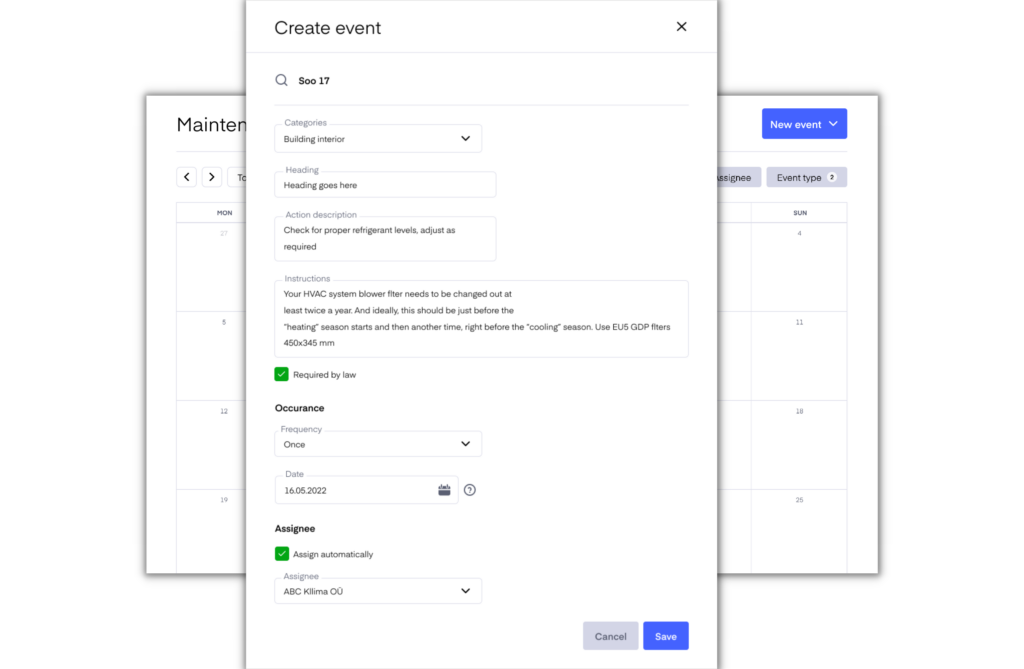
Bidrento helps keep teams steady because it reduces guesswork. Techs get the right information upfront. They see photos, notes, past tickets, and utility data. They move with confidence. They repeat less work. They feel respected. That sense of order lowers stress and keeps them around longer, which directly stabilises your NOI.

How you handle property maintenance makes all the difference
Many teams wait for phone calls, emails or sticky-note reports before they even start thinking about property maintenance. In those systems, the “repair pipeline” begins to get messy. Tenants describe problems in random ways. Techs arrive with missing info. Parts are wrong. Visits take longer. Some jobs get missed entirely.
Here is what often goes wrong with old-school property maintenance:
- Tenants write vague requests: “kitchen sink leaking” might mean a dozen things.
- No photos or video are attached, so techs guess what parts to bring.
- Everything gets tagged “urgent,” so the real emergencies get lost.
- No clear record of the request’s history: if someone calls twice, the system treats it as two new problems.
These lead to frustration, longer fixes, extra cost, and worse: tenants lose trust.
Low-friction digital intake solves these problems. When the tenant app asks the tenant structured questions, requires photos or minimal info for complex issues, you get clarity. That saves time. That saves money. That avoids bad feelings.
A well-managed backlog and ticket intake also reduce costly reactive maintenance and emergency call-outs over time.
In big property management portfolios, where maintenance offices handle dozens of requests daily, digital intake moves the entire flow from guesswork to predictable process. It also gives you data. You see which types of problems repeat. You see which buildings give more tickets. You spot when a small issue becomes recurring.
Bidrento turns maintenance requests into structured digital work orders. Each request gets clear data, status updates, and a history log. Managers can prioritize jobs, assign techs properly, and reduce inefficient visits. This cuts costs and builds trust, while leaving a clean trail that shows you care. When you do that, you build a system that works. Book a free demo and see Bidrento in action today.

Property maintenance data can be your growth engine
Many property managers simply track costs, repair counts, and response times. That is necessary, but may leave you wanting for more. You can use property maintenance software like Bidrento to get data for strategic value too.
For example, you may want to link maintenance data to bigger business decisions. To see which buildings sustain rent increases and to spot where CapEx will soon rise. This will help you evaluate your existing portfolio's performance before buying another asset.
You know which blocks are low cost per tenant, which ones have rising maintenance needs, which ones give steady rental income. That drives smarter buy/sell decisions, better loans, lower vacancy, and higher ROI.
Bidrento goes beyond simple maintenance tickets. It integrates with e-invoicing, cost tracking, and utility-cost calculation. For European and UK real-estate portfolios, this means cost transparency, joint tenant billing, and easier compliance. It means you know not just what you fix, but what it costs and how to balance costs with your cashflow.
With Bidrento, maintenance data becomes a foundation. It helps you plan budgets, forecast CapEx, price units, and show clear financials to investors. That turns maintenance from a burdensome expense to a strategic asset.
Example: turnover season as a stress test
Every year there are peak times when many tenants move out, others move in, and maintenance teams are flooded with unit-turn tasks. That is a big pressure test.
In heavy turnover seasons, your techs scramble. They patch, rush, skip notes. They use spare parts faster than they should. As a result, mistakes happen. Tenants arrive into poorly cleaned or half-repaired units. Your and their stress rises.
Property managers that treat these times as “just another week” often get burned. But the ones that prepare win. They pre-stock parts, assign extra hands, and use clear data to know what needs done first. They even introduce temporary labour or shifts.
Studies of maintenance backlog management warn that if you do not scale capacity when workload spikes, backlog will grow, maintenance quality drops, and costs rise.
With a tool like Bidrento, you already have data. You know how many units turned over last year in the same period. You know what common issues appeared. You can forecast labour hours, parts, and vendor needs. You can pre-assign teams. You can smooth the load before it breaks you.
This lets you treat turnover season not as chaos but as a planned event. You protect asset quality, keep residents happy, and avoid emergency calls or bad reviews.
Device management with a clear view
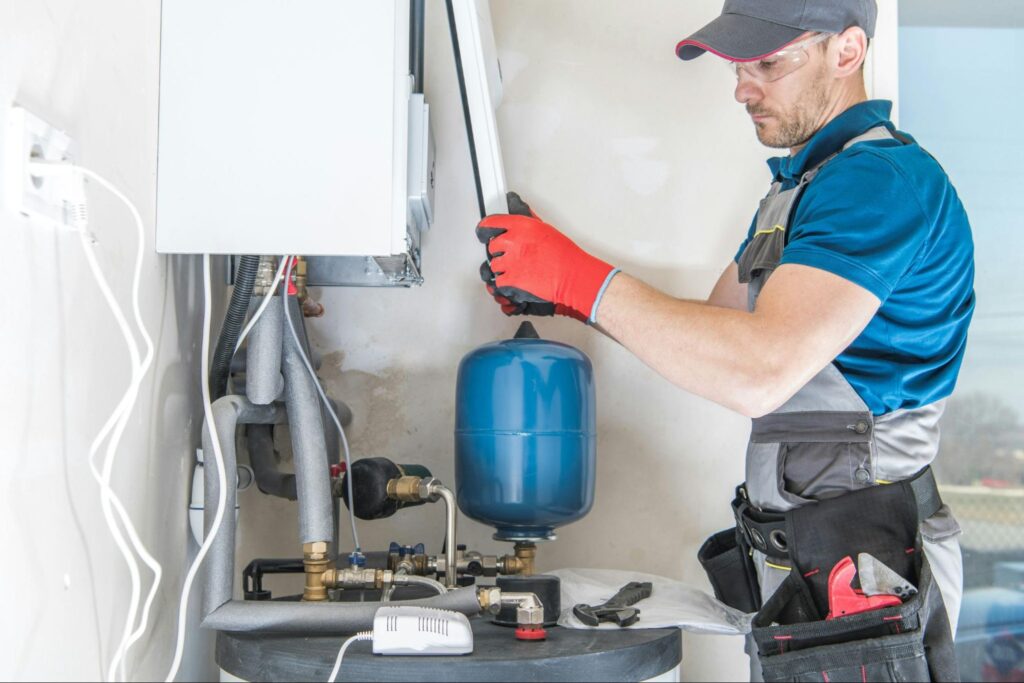
Your buildings are only as strong as the devices that keep them running. When you see those devices clearly, every other part of maintenance becomes easier.
But few teams know their devices all that well. Boilers, pumps, lifts, fans, meters and fire systems often sit in a spreadsheet with a name and a date. Only recorded at the time of purchase. That is not enough.
What Bidrento can do
Property maintenance software like Bidrento can link devices with units, tickets, and costs.
Device management inside Bidrento treats each device like a small story. A device has a serial number, model, age, power use, service rules, legal checks, and links to past repairs.
Each device gets a specific maintenance plan and digital log, so managers see what was done, when, by whom, and under which rule.
You see which device types create more work. You see which brands or models stay stable for longer. You see the real life of the asset, not just the purchase price. That is a quiet edge when you plan CapEx, upgrades, and long-term contracts.
Without device-level history, you see many "small" repair records spread across time, but cannot connect the dots. With Bidrento, you see one weak pump behind all those tickets. This helps save money and pinpoint the precise problem. You replace the pump instead of chasing leaks.
IoT and property maintenance
If you operate a larger property portfolio, you may want to connect Bidrento to internet of things devices, because IoT sensors make device management even more useful. Connected devices and meters tell you about temperature, vibration, usage, leaks, or load in real time.
This kind of data helps teams spot early warning signs, reduce surprise failures, and cut energy use.
When that data links to devices and work orders inside your property maintenance software, you move from guessing to clear action.
Helps your subcontractors
Device management is also a link between internal teams and outside vendors. When each device has a clean history and clear rules, subcontractors know what they walk into.
They see past work, spare parts used, and known faults. This shortens visits and reduces disputes. It also gives you fair data when you compare vendors.
Summary
Often sevice requests are only tracked by tickets closed. But that is surface work. The real value hides deeper.
When you treat service requests as signals of tenant trust and stability, not just jobs to close, you gain control over your business and cash flow. You see patterns. Patterns that explain renewals, ups and downs in income, rising costs, turnover risks.
This view demands structure, care, and tools built for scale and transparency. That is why Bidrento works well for property managers, landlords, and hospitality operators. It combines service request tickets, asset history, cost data, vendor work, tenant feedback, and even utility billing into one flow.
FAQ: Property Maintenance and Service Requests
1. Why do small service requests matter so much in rental buildings?
Small repairs often tell you how people feel. A slow fix of a minor issue can still make a tenant feel ignored. Studies show that tenants choose to stay or go based on how well repairs are handled. A quick and polite visit makes them feel cared for. That feeling drives renewals more than many managers expect.
2. How do service requests link to churn risk?
When a tenant sends repeated tickets about the same problem, that is a warning sign. When they use words like “again” or “still broken”, it signals lost trust. If the team acts fast at this moment, managers often save the lease. If they act slow, they often lose it. This pattern shows up clearly in maintenance data from large portfolios.
3. Why do emotional responses matter in maintenance?
People remember how a repair visit felt. They remember if someone was kind, clear, and respectful. They do not only remember the fix. A warm visit boosts ratings and renewals. A rushed or unclear visit hurts trust. Teams that track feedback after each work order make better decisions and reduce risk.
4. Why is technician turnover such a big problem?
New techs do not know the building. They take longer and miss small signs that experienced techs see. This leads to more repeat jobs, higher cost, and stressed tenants. When techs stay longer, buildings run smoother. A clean system like Bidrento reduces stress on techs and helps them stay.
5. What makes bad work order intake so costly?
If a request comes with poor details, vague text, or no photos, techs often bring the wrong tools or parts. This causes repeat visits. Repeat visits cost money and time. They also frustrate tenants. A structured digital form saves everyone time and avoids noise.
6. How does backlog age harm a building?
Old backlog signals slow attention. Even small problems grow if left untouched. Tenants notice when tasks stay open for days or weeks. If the backlog stays old, building quality drops, emergency repairs rise, and trust fades. Tracking backlog age is as important as tracking backlog size.
7. Why is predictive maintenance better than only reactive or only preventive?
Reactive fixes cost more because problems are already serious. Over-scheduled preventive tasks waste labour and parts. Predictive maintenance uses signals like usage, utility data, and repair history to time work at the right moment. This lowers cost and avoids emergencies.
8. Why is turnover season so stressful for maintenance teams?
Many tenants leave and enter at the same time. Units need cleaning, fixing, and safety checks. Without planning, techs rush and mistakes rise. Managers who forecast load and prepare teams before turnover season avoid chaos.
9. How does property maintenance software help investors?
Maintenance data from property maintenance software shows real building health. It helps forecast CapEx needs, price rent levels, and judge long term risk. It shows patterns that normal financial statements hide. When this data is clean, investors trust the asset more. There are many other additional benefits.
10. How does Bidrento support all these maintenance needs?
Bidrento ties all tasks, tickets, team notes, vendor work, utility data, e-invoicing, and tenant app into one platform. Nothing gets lost. Everything is logged. While the workflow remains simple. This cuts cost and raises tenant trust. It works for residential, commercial, and hospitality buildings.